Weekly Reads
A space where we share a selection of thought-provoking content that we've recently come across.
First, some good news.
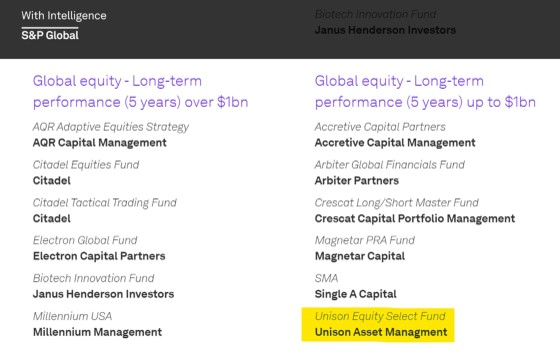
We’re pleased to share that, for the third consecutive year, Unison has been shortlisted for the HFM US Performance Awards in the Global equity - Long-term performance (5 years) up to $1bn category. We’re especially proud of the recognition given its focus on long-term performance, which sits at the heart of our approach: building a focused portfolio of exceptional businesses and compounding capital patiently over time.
For additional information, including Unison’s full performance history, please contact ir@unisonam.com.
 Winners & Losers of the AI Era
In an episode of the Invest Like the Best podcast, Stratechery founder Ben Thompson analyzes the artificial intelligence landscape through the historical lens of the 1870s railroad boom: the only prior capital expenditure cycle that rivals today's AI buildout relative to GDP. Thompson highlights a profound duration mismatch between staggering upfront capital outlays and the timeline for actual economic returns, raising the distinct possibility that the market could temporarily "run out of money" given the sheer velocity of data center investments. This massive infrastructure race is fundamentally transforming Big Tech giants from high-return, asset-light software models into capital-intensive, lower-margin infrastructure operators, mirroring classic industrial asset plays to secure their long-term moats in the evolving tech stack.
Legendary investor Stanley Druckenmiller argues that the U.S. government must stop interfering with long-term interest rates and allow the bond market to act as a genuine fiscal disciplinarian. Pointing to staggering peacetime deficits running near 6% of GDP, a national debt crossing $40 trillion, and surging net interest payments that now eclipse the defense budget, Druckenmiller contends that Treasury interventions and artificial yield suppression merely act as a "subsidy to procrastination". He cautions that attempting to manage yields undermines the credibility of the world’s most critical debt market, delaying the inevitable reckoning required to tackle the primary deficit and gradually reform unsustainable entitlement programs.

In an extensive, long-form profile published by Colossus, the publication traces the remarkable trajectory of Meta CEO Mark Zuckerberg as he steers the tech giant through its most consequential transformation yet. The deep-dive examines Zuckerberg’s calculated pivot toward open-source artificial intelligence, his philosophical divergence from closed-ecosystem rivals who seek to restrict frontier models, and his aggressive bet on infrastructure, hardware, and personal agents like Muse to shape the next era of computing. By repositioning Meta around decentralized access and massive computational scale, the profile illustrates how Zuckerberg is deliberately attempting to rewrite the rules of the tech landscape and cement his legacy for decades to come.

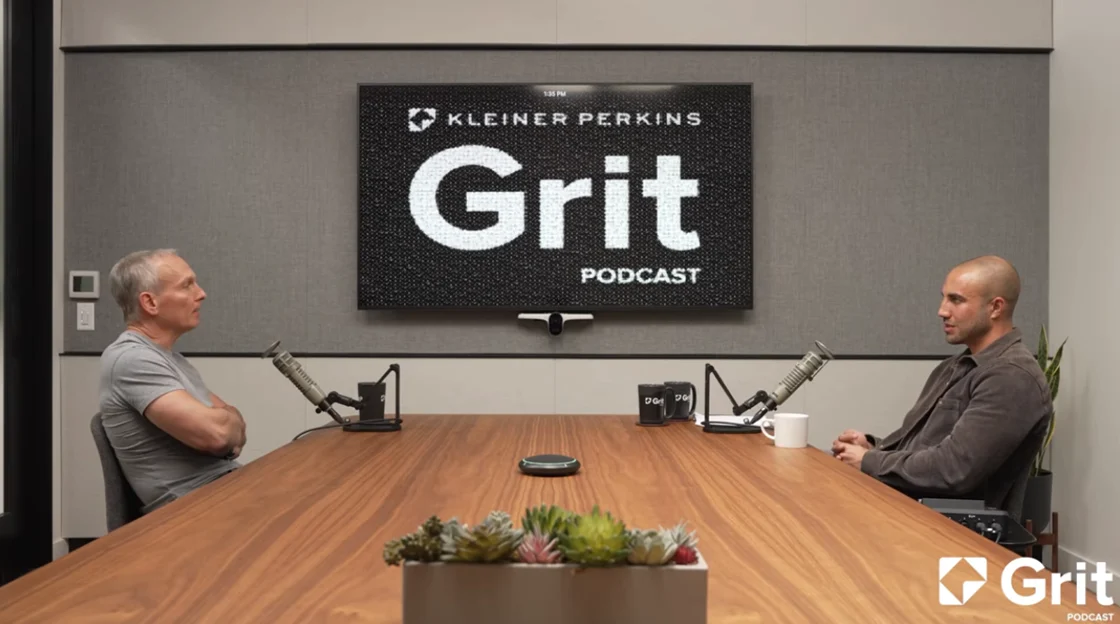
In an episode of Kleiner Perkins’ Grit podcast hosted by Jubin Mehdizadeh, Booking Holdings CEO Glenn Fogle reflects on his multi-decade career scaling the online travel giant to $187 billion in total travel volume, and shares his perspective on the transformative impact of artificial intelligence. Fogle discusses how AI is set to redefine consumer travel through Booking's "connected trip" vision, streamlining complex trip-planning and communication barriers. However, he also addresses the broader socioeconomic and labor challenges ahead, warning that automation tools will profoundly disrupt white-collar career pipelines—such as entry-level investment banking and legal analyst roles—leaving significant structural questions about employment and AI literacy for the next generation.
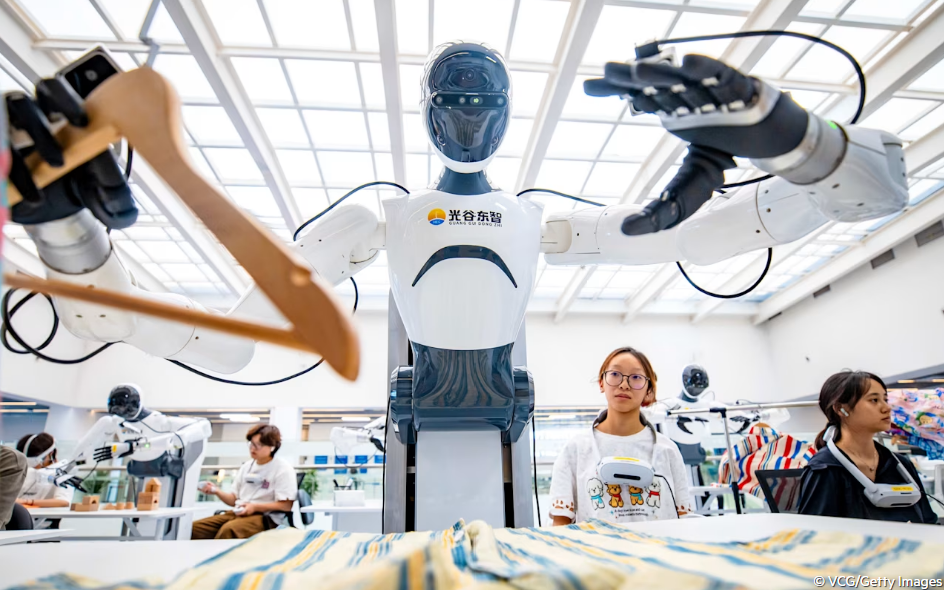
China’s booming humanoid robot manufacturers are generating a significant portion of their revenue by selling machines to government-backed training centers, which in turn collect and sell training data right back to the makers. This model—reminiscent of AI data center circular financing—has fueled a massive surge in start-ups and valuations, with players like Unitree soaring over 600% on Shanghai's Star Market to a $50bn valuation, and Shenzhen-based Leju Robot relying on training centers for 45% of its flagship Kuavo sales. While supporters liken the state-driven demand to early-stage electric vehicle and solar panel subsidies that eventually built dominant supply chains, and Morgan Stanley has raised its 2026 shipment estimates to 50,000 units, critics warn that the closed-loop ecosystem blurs the line between independent commercial demand and policy-driven spending, leaving investors questioning whether training data generated outside real-world factory floors can justify the soaring valuations.
How Mark Walter—the billionaire founder of Guggenheim Partners and owner of marquee sports franchises like the Los Angeles Dodgers, LA Lakers, and Chelsea FC—saw his empire hit crisis point as federal investigators probed hidden transactions. Driven by a post-financial crisis push to boost insurer returns by moving into private credit and illiquid assets, Walter’s controlled insurance entities allegedly misclassified more than $20bn in loans to his broader business empire as "unaffiliated." Following an FBI probe that saw federal agents seize phones from Walter and Guggenheim executives, alongside whistleblower reports regarding self-dealing and revenue accounting, Walter was forced into a rapid retreat—agreeing to sell his stake in the Lakers at a $12.5bn valuation and putting his Chelsea stake up for sale to plug massive potential capital shortfalls across his insurance arms.