Weekly Reads
A space where we share a selection of thought-provoking content that we've recently come across.
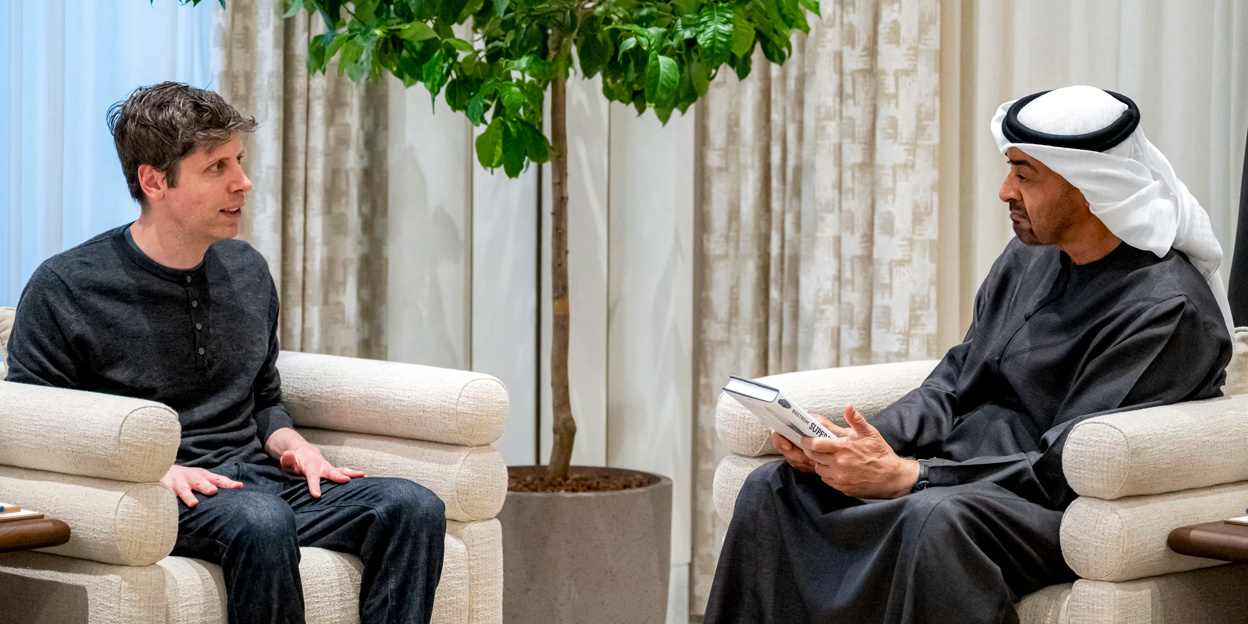
The CIA Operative Who Spied on the U.A.E.—and Played a Role in Its AI WinIn a fascinating intersection of espionage and high-tech geopolitics, The Wall Street Journal detailed how veteran CIA operative Jonny Gannon was dispatched to Abu Dhabi in 2023 under diplomatic cover to investigate G42, the United Arab Emirates’ flagship AI firm, over its deep ties to China. Tasked with determining whether the Gulf state could be trusted with sensitive American technology, Gannon did something unconventional: while gathering intelligence, he essentially coached Emirati leadership on what security benchmarks and supply-chain purges—such as dropping millions in Huawei equipment—were necessary to satisfy Washington. The dual-hatted mission succeeded in bridging the divide, clearing the path for massive partnerships with American tech giants, license-free access to advanced Nvidia chips, and billions in AI infrastructure, ultimately cementing the U.A.E. ’s place inside the U.S. technological orbit.
Tony Barzar, a career retail worker who started out gathering shopping carts for $5.85 an hour and spent four decades at Costco (and its predecessor, Price Club). Today, making $32.90 an hour as a cashier in Tucson, Barzar has amassed over $1 million in his 401(k). His story underscores an increasingly rare corporate model: a company that heavily prioritizes employee retention, offering above-average wages, low turnover, and robust healthcare and retirement benefits. Driven by consistent contributions, compound growth, and an employer that made loyalty worth it, Barzar’s path proves that steady, blue-collar work paired with long-term financial discipline can still yield extraordinary, millionaire-status results.

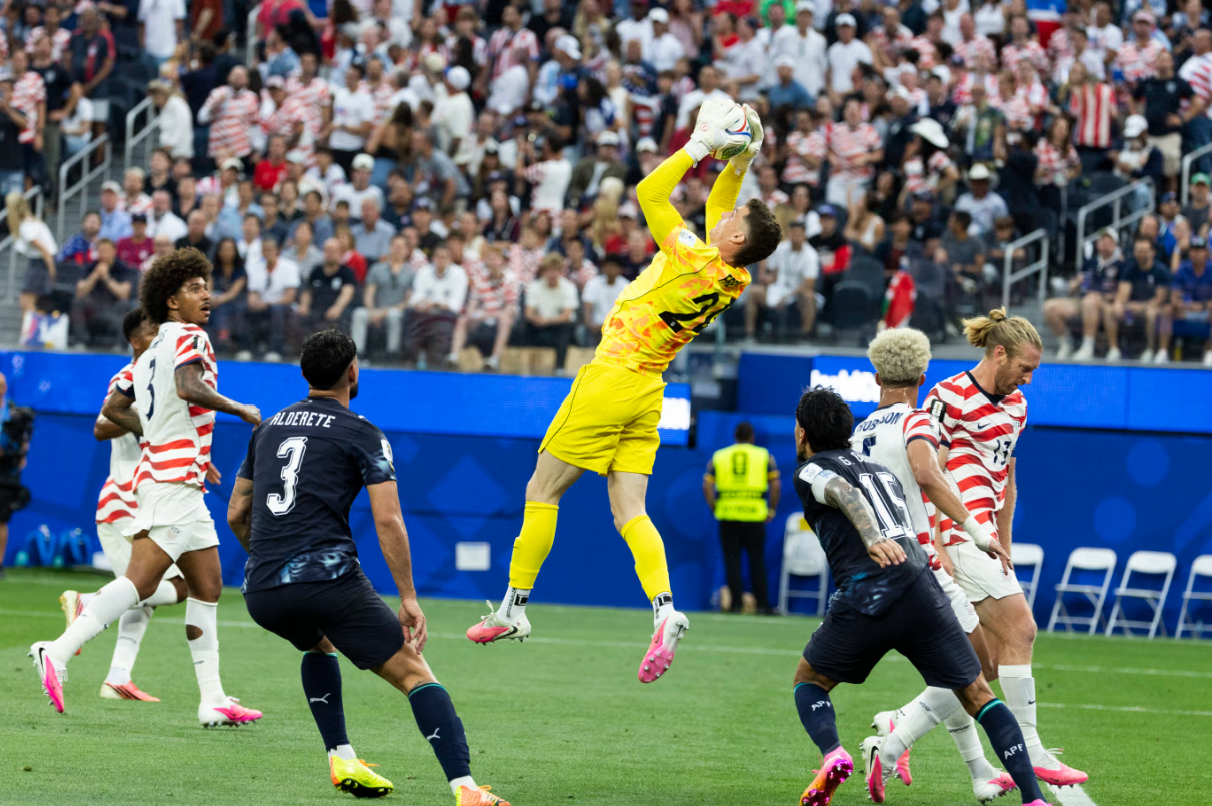
The unlikely intellectual backbone of the United States men’s national team during the 2026 FIFA World Cup was a man named Matt Freese. Hailing from a family of scientists and holding an economics degree from Harvard, Freese treats the penalty box like an analytical problem, utilizing a proprietary approach to study opponents and geometry. After rising through the ranks at NYCFC and seizing the USMNT starting job, Freese guided the U.S. through a strong group stage campaign—anchoring clean wins over Paraguay and Australia to top Group D. Though his tournament ultimately ended with a heartbreaking defensive miscue in a 4-1 Round of 16 loss to Belgium, Freese's journey from an analytical Ivy League student to America's World Cup starter stands as one of the most uniquely fascinating stories in modern soccer.
AI heavyweights like OpenAI and Anthropic are blanketing Silicon Valley with aggressive discounts, free cloud infrastructure, and massive token credits—sometimes exceeding $3 million per startup—to capture early-stage enterprise customers. Driven by intense competition and the rise of powerful, cheaper alternatives, companies are fighting fiercely to lock young ventures into their ecosystems, with Cursor offering a 75% discount through July 5. The race has zeroed in heavily on accelerator cohorts like Y Combinator, alongside Google Cloud offering up to $500,000 in cloud credits and early access to Gemini models alongside perks from tech peers, as OpenAI and Anthropic trade escalated offers reaching up to $500,000 in no-equity credits to fund startups' "tokenmaxxing" ambitions and secure long-term revenue streams.

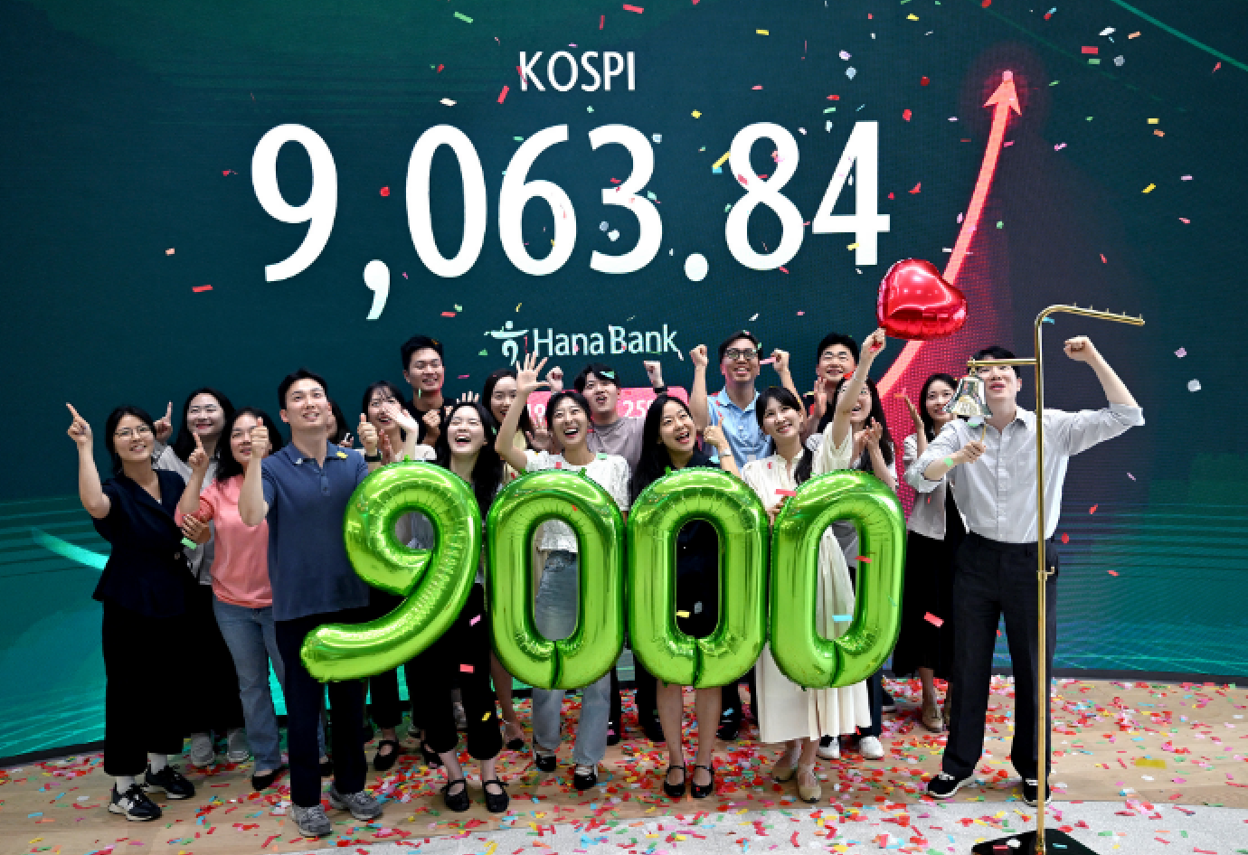
A Bloomberg feature by Charlotte Yang and Sangmi Cha details how the CSOP SK Hynix leveraged ETF in Hong Kong ballooned into a $13 billion behemoth just nine months after launch, becoming the largest fund of its kind globally. Tied directly to the South Korean chipmaker amid a blistering AI-driven market rally, the turbocharged fund has grown so massive that it accounts for up to two-thirds of daily trading in SK Hynix shares on volatile sessions. With leveraged ETFs surging into a $270 billion global phenomenon, the product's intense feedback loop was laid bare when a sharp selloff caused the ETF to plunge more than 20%—capping a severe 70% peak-to-trough decline for the fund and dragging the underlying stock down over 10% to trigger a broader rout across the Kospi index and emerging markets.